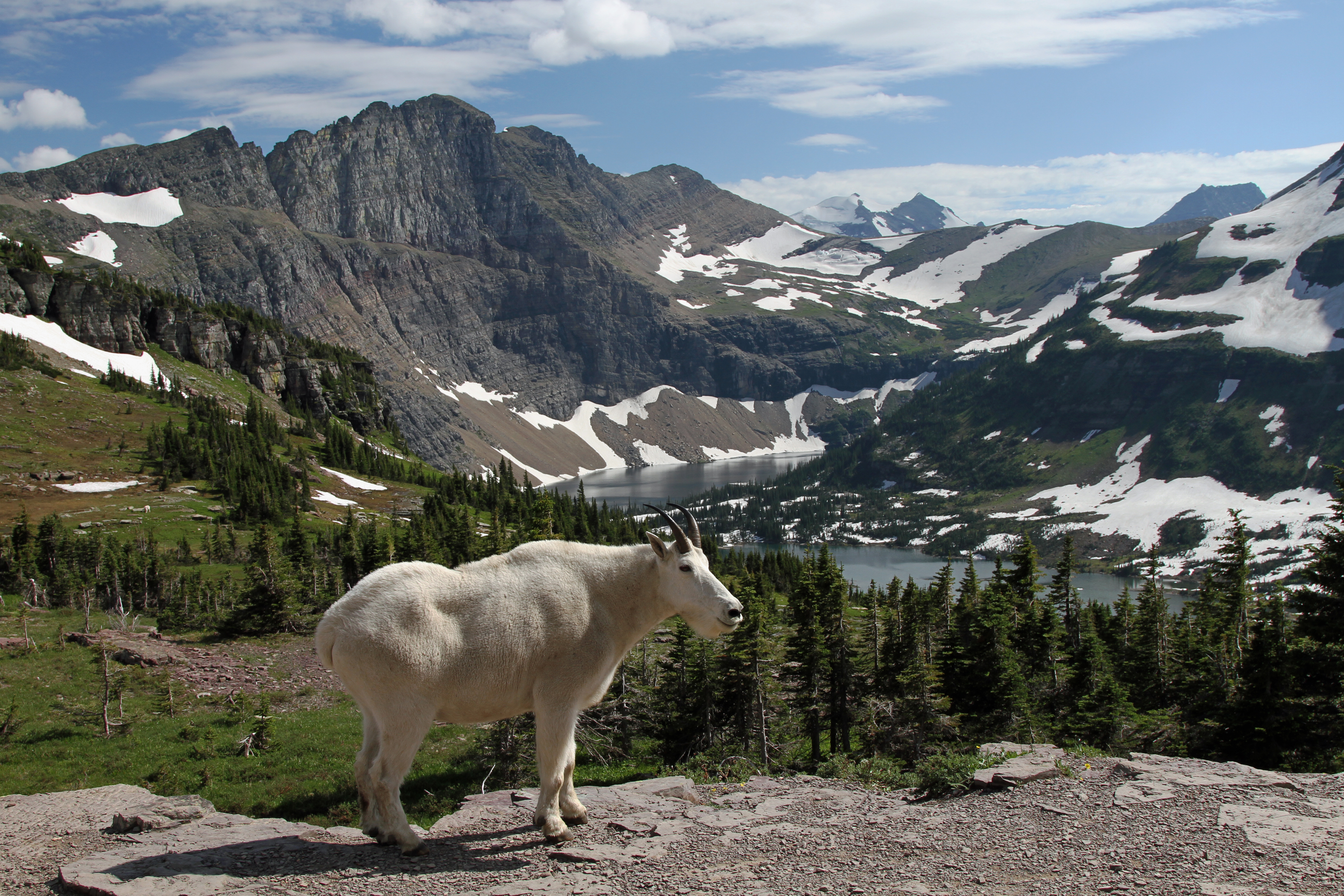
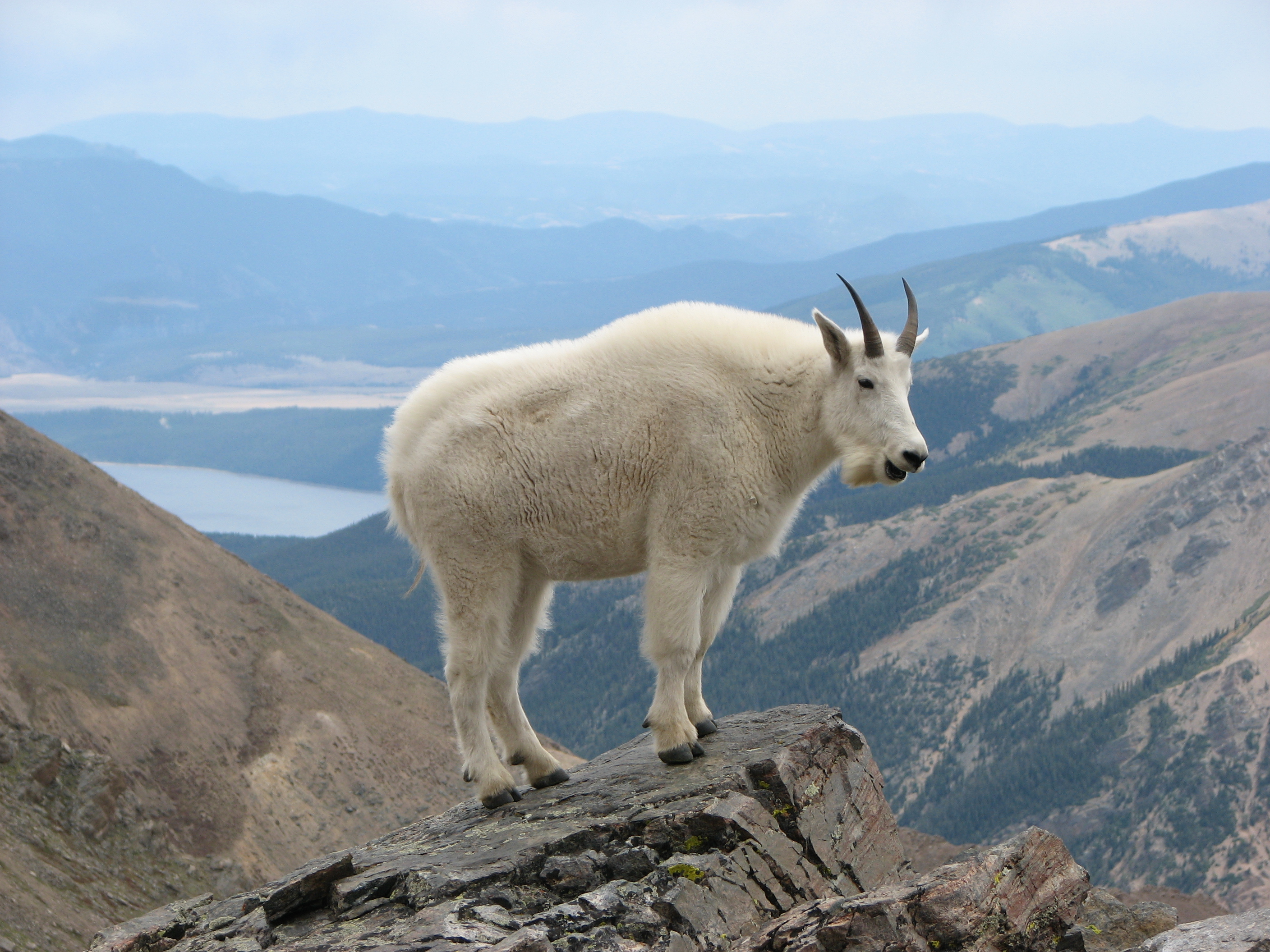
Ecologically, the conservation status of Mountain Goat is officially designated as Least Concern. Current field registries estimate a global population composed of an unquantified number of individuals, making habitat preservation critical to maintaining their wild populations.
It is typically endemic to forest, grassland, ocean, desert, mountain, showing great physiological synergy with its surroundings. In terms of dietary preferences, it relies primarily on a diet of grasses, fresh leaves, herbaceous plants, and wild seeds. It exhibits specialized adaptations centered around a diurnal activity pattern, optimizing its energy conservation and interactions within its native ecosystem. The species has a typical natural lifespan of approximately 15 years, allowing it to adapt and mature through structured generational cycles.
Ongoing biological monitoring and ecological advocacy emphasize the importance of protecting this species. The stability of its food chain and the prevention of fragmentation in its primary range are vital for the continued survival of Mountain Goat.